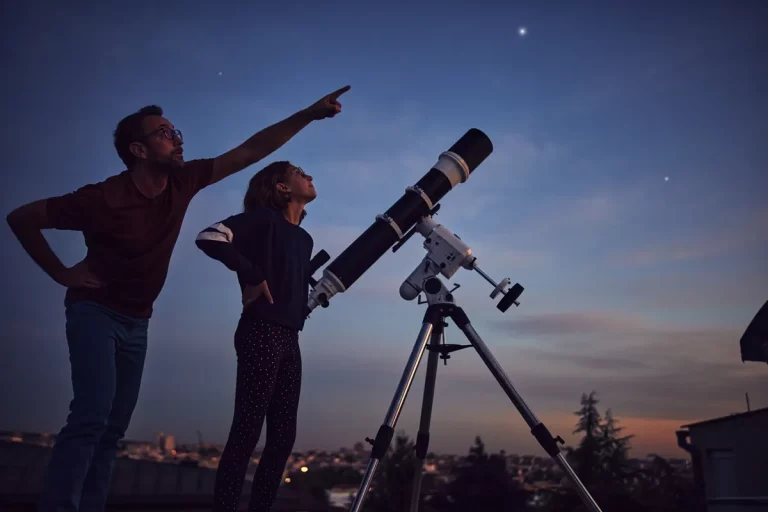
Stargazing offers a unique opportunity to unwind in nature’s embrace. For beginners, the experience can be both serene and enriching. Selecting a dark location away from urban lights is essential for ideal viewing. By introducing simple tools such as binoculars or stargazing apps, one can enhance their connection to the cosmos. As the night unfolds, the sky reveals its secrets, inviting explorers to uncover the wonders above. What awaits in the vast expanse of stars?
Key Takeaways
- Choose a serene location away from city lights, like national parks or remote campgrounds, for optimal star visibility and tranquility.
- Bring comfortable seating, such as a blanket or reclining chair, to enhance relaxation during your stargazing experience.
- Use binoculars or a beginner-friendly telescope to explore celestial wonders without overwhelming complexity.
- Download a stargazing app or carry a star map to easily identify constellations and enhance your appreciation of the night sky.
- Share the experience with friends or family to create lasting memories and deepen connections under the stars.
How Stargazing Can Help You Relax and Unwind
As the sun sets and darkness envelops the landscape, many find solace in the vast expanse of the night sky, where stars twinkle like distant diamonds. Stargazing offers a peaceful retreat from daily stresses, inviting individuals to pause and appreciate the universe’s beauty. For beginners, embracing this calming experience can be simple. They should find a quiet location away from city lights, allowing the stars to shine brightly. Lying back on a blanket, taking deep breaths, and focusing on the constellations can foster a sense of belonging to something greater. Engaging in gentle conversation with companions enhances the experience, making it both personal and communal. These stargazing tips for beginners not only promote relaxation but also encourage connections with nature and each other.
Essential Gear and Tools for Beginner Stargazers
To fully embrace the stargazing experience, beginners will benefit from having the right gear and tools at their disposal. A comfortable blanket or reclining chair enhances relaxation, inviting a deeper connection with the cosmos. Binoculars can serve as an accessible introduction to celestial wonders, revealing details that the naked eye might miss. For those ready to explore further, a beginner-friendly telescope opens up a world of intricate star clusters and planets. A star map or a stargazing app will help identify constellations, fostering a sense of belonging in the vast universe. Additionally, a flashlight with a red filter preserves night vision, ensuring an unobstructed experience. Together, these essentials create a welcoming atmosphere for all aspiring stargazers.
Stargazing Tips for Beginners: Finding Your Ideal Location
Finding the ideal location for stargazing can transform a simple evening into a breathtaking celestial experience. Beginners should seek areas far from city lights, where darkness enhances the visibility of stars. National parks and remote campgrounds often provide the perfect backdrop, with expansive skies untainted by urban glow. Safety and comfort are equally important; selecting a spot that feels secure and inviting fosters a sense of belonging. Checking local weather conditions guarantees a clear view, while apps can help identify the best times for stargazing. Finally, joining local astronomy clubs can introduce beginners to hidden gems and provide a community of fellow stargazers, enriching the overall experience and deepening their connection to the universe.

What Are the Best Constellations for Beginner Stargazers?
While the night sky offers a vast expanse of stars, certain constellations stand out as perfect starting points for beginner stargazers. The iconic Orion, with its three stars forming a distinctive belt, serves as a recognizable guide. Ursa Major, home to the famous Big Dipper, is another essential constellation, helping stargazers locate the North Star. Cassiopeia, shaped like a W, adds a touch of elegance and is easy to spot. For those yearning for seasonal beauty, Scorpius shines brightly in summer, inviting admiration. These constellations not only illuminate the sky but also foster a sense of connection among stargazers, creating a shared experience that enriches the joy of exploring the universe. Stargazing tips for beginners encourage curiosity and discovery.
Tips for Making the Most of Your Stargazing Experience
After familiarizing themselves with key constellations, beginner stargazers can enhance their experience by adopting a few practical strategies. Embracing these tips not only enriches their adventure but also fosters a sense of community among fellow enthusiasts.
- Choose a Dark Location: Escape city lights to truly immerse in the night sky’s beauty.
- Bring a Blanket: Create a cozy space to lie back, encouraging relaxation and connection with nature.
- Use Stargazing Apps: Leverage technology to identify stars and constellations, making the experience interactive and educational.
- Share the Experience: Invite friends or family, as sharing awe-inspiring moments deepens bonds and creates lasting memories.
These tips for making the most of your stargazing experience will transform a simple evening into a cherished journey under the stars.
Frequently Asked Questions
What Time of Year Is Best for Stargazing?
The best time for stargazing occurs during late summer and early fall, when nights are longer and skies are clearer. This period offers a stunning view of constellations, making it ideal for beginners seeking a peaceful experience.
How Do Weather Conditions Affect Stargazing?
Weather conditions greatly impact stargazing, as clear skies enhance visibility while clouds and humidity obscure celestial wonders. Beginners should seek nights with low light pollution and stable weather for the best astronomical experiences and enjoyment.
Can I Stargaze in a City?
Yes, stargazing in a city is possible, though light pollution can hinder visibility. Beginners may still enjoy spotting brighter celestial objects, fostering a sense of wonder and connection to the universe amid urban surroundings.
Are There Mobile Apps for Stargazing?
Yes, numerous mobile apps enhance the stargazing experience, providing real-time information on celestial events, constellations, and planets. These tools invite users to connect with the cosmos, fostering a sense of wonder and belonging among enthusiasts.
How Do I Identify Different Stars?
To identify different stars, beginners can utilize star charts or mobile apps, which highlight constellations. Observing brightness, color, and patterns enhances recognition, fostering a deeper connection with the night sky and expanding one’s celestial knowledge.
Conclusion
To summarize, stargazing offers a tranquil escape from the hustle of daily life, inviting beginners to connect with the cosmos in a serene setting. By selecting the right location, equipping themselves with essential tools, and embracing the beauty of constellations, novice stargazers can create unforgettable memories. This peaceful pursuit not only enriches personal experiences but also strengthens bonds with loved ones, transforming an ordinary night into a celestial adventure filled with wonder and awe.
You May Also Like To Read: