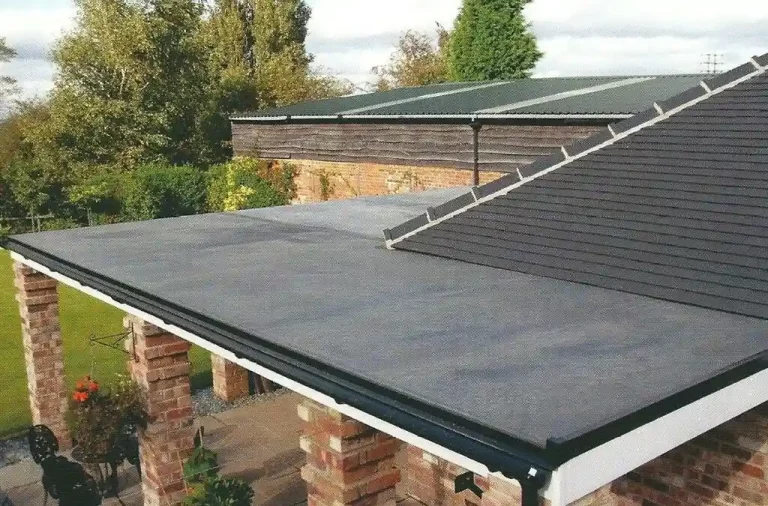
The choice between flat roofs and pitched roofs presents significant implications for business efficiency. Flat roofs streamline installation and maintenance, while offering opportunities for additional installations like HVAC systems. In contrast, pitched roofs enhance water drainage and ventilation, potentially increasing longevity and energy savings. Each option has distinct advantages that can impact operational costs and future scalability. Understanding these factors is essential for making an informed decision that aligns with specific business needs.
Key Takeaways
- Flat roofs are easier and faster to install, reducing initial labor costs for businesses.
- Pitched roofs offer superior drainage, minimizing the risk of leaks and structural damage in heavy precipitation areas.
- Flat roofs provide additional space for systems like HVAC and solar panels, enhancing utility and efficiency.
- Pitched roofs improve ventilation, contributing to better indoor air quality and energy efficiency over time.
- Long-term maintenance costs may be lower for flat roofs, while pitched roofs offer durability and aesthetic advantages.
Understanding Flat Roofs and Pitched Roofs
When considering roofing options for commercial buildings, it is essential to understand the distinctions between flat roofs and pitched roofs. Flat roofs typically feature a minimal slope, which facilitates installation and maintenance but may pose drainage challenges. They are often constructed using materials such as TPO, EPDM, or modified bitumen, offering cost-effective solutions for expansive spaces. In contrast, pitched roofs exhibit a steep incline, promoting efficient rain and snow runoff, thereby reducing potential structural damage. They are usually constructed with shingles, tiles, or metal materials, providing aesthetic versatility. Each roofing type presents unique advantages and drawbacks, making it imperative for business owners to evaluate their specific needs. Consequently, understanding flat roofs vs. pitched roofs is essential for informed decision-making.
Advantages of Flat Roofs for Businesses
While evaluating roofing options, many businesses find that flat roofs offer distinct advantages that align with operational efficiency and cost-effectiveness. One key benefit is the ease of installation, which reduces labor costs and minimizes disruption during construction. Additionally, flat roofs provide ideal space utilization, allowing businesses to leverage the rooftop for HVAC systems, solar panels, or even green roofs, enhancing sustainability efforts. The maintenance of flat roofs is generally more straightforward, facilitating easier access for inspections and repairs. Moreover, their design can contribute to improved energy efficiency, as they often accommodate insulation more effectively than pitched roofs. Overall, in the ongoing discussion of flat roofs vs. pitched roofs, flat roofs emerge as a pragmatic choice for modern business needs.
Benefits of Pitched Roofs in Commercial Settings
Although flat roofs have their merits, pitched roofs present a range of benefits that can greatly enhance the functionality and longevity of commercial buildings. Pitched roofs facilitate efficient water drainage, reducing the risk of leaks and structural damage over time. This design also allows for improved ventilation, contributing to better indoor air quality and temperature regulation. Additionally, pitched roofs can accommodate insulation more effectively, enhancing energy efficiency and potentially lowering heating and cooling costs. The aesthetic appeal of pitched roofs can elevate the overall appearance of a commercial property, fostering a positive image among clients and customers. Overall, in the ongoing debate of flat roofs vs. pitched roofs, the advantages of pitched roofs are significant for businesses aiming for durability and operational efficiency.
Cost-Effectiveness: Flat Roofs vs. Pitched Roofs
Cost-effectiveness remains an essential factor in the decision-making process regarding roofing options for commercial properties. Flat roofs typically offer lower installation costs compared to pitched roofs due to simpler construction techniques and fewer materials required. Additionally, maintenance expenses are often reduced, as flat roofs provide easier access for inspections and repairs. However, pitched roofs may present advantages regarding longevity and energy efficiency, potentially offsetting initial higher costs over time. The choice between flat roofs vs. pitched roofs ultimately hinges on the specific needs and financial capacity of the business. While flat roofs can minimize upfront expenses, the long-term benefits of pitched roofs may yield greater overall value, warranting careful consideration in the budgeting phase.
Making the Right Choice for Your Business Needs
When determining the most suitable roofing option for a business, one must consider various factors that align with operational needs and long-term goals. Flat roofs vs. pitched roofs present distinct advantages and disadvantages that can greatly impact functionality. Flat roofs may offer easier access for maintenance and additional space for HVAC systems or solar panels, benefiting businesses focused on efficiency. Conversely, pitched roofs provide superior water drainage and longevity, making them ideal for areas with heavy precipitation. Additionally, aesthetic considerations may influence brand image. Ultimately, the decision should prioritize not only immediate financial implications but also future scalability and environmental considerations, ensuring that the chosen roofing solution effectively supports the organization’s strategic objectives and operational requirements.
Frequently Asked Questions
How Do Climate Conditions Affect Flat Roofs Versus Pitched Roofs?
Climate conditions greatly influence flat roofs versus pitched roofs, with flat roofs facing challenges like water pooling and increased heat absorption, while pitched roofs promote drainage and reduce weather-related stress, enhancing longevity and performance in various climates.
What Materials Are Commonly Used for Flat Roofs and Pitched Roofs?
Common materials for flat roofs include EPDM, TPO, and modified bitumen, while pitched roofs often utilize asphalt shingles, metal, and clay tiles. Each material offers distinct advantages tailored to specific architectural and climatic requirements.
Can Flat Roofs Support Solar Panels Effectively?
Flat roofs can effectively support solar panels due to their structural design, providing ample space for installation. Proper assessment of load-bearing capacity and waterproofing considerations guarantees peak performance and longevity, enhancing energy efficiency for businesses.
How Do Maintenance Requirements Differ Between Flat and Pitched Roofs?
Maintenance requirements for flat roofs generally involve regular inspections for pooling water and debris removal, while pitched roofs necessitate checking for shingle damage and ensuring proper drainage. Each design presents unique challenges impacting long-term upkeep.
What Is the Lifespan Comparison of Flat Roofs and Pitched Roofs?
Flat roofs typically last 15 to 30 years, while pitched roofs can endure 20 to 50 years, depending on materials and maintenance. This lifespan difference greatly impacts long-term planning and investment for property owners.
Conclusion
To summarize, the decision between flat roofs and pitched roofs hinges on a business’s specific operational and financial requirements. Flat roofs provide practicality and space efficiency, while pitched roofs offer enhanced drainage, aesthetics, and longevity. Analyzing these factors, alongside potential future scalability, enables businesses to select the roofing option that best aligns with their strategic goals. Ultimately, a well-informed choice can lead to improved efficiency, reduced maintenance costs, and a more sustainable business environment.
You May Also Like To Read: